How AI is changing Architecture
Using a 3D modeling workflow in tools like SketchUp offers clear advantages over working strictly in 2D programs like AutoCAD—especially for design communication, efficiency, and decision-making.
The biggest difference is clarity. A 3D model shows the project as it will actually exist in space, not just as abstract lines. Clients, stakeholders, and even team members who aren’t trained to read technical drawings can instantly understand proportions, scale, and layout. This reduces confusion and cuts down on back-and-forth revisions that often happen when interpreting 2D plans.
There’s also a major advantage in design accuracy and problem-solving. In 2D, you’re mentally stitching together plans, elevations, and sections. In 3D, everything exists in one unified environment. That makes it much easier to catch spatial conflicts—like clearance issues, misaligned elements, or unrealistic dimensions—before anything is built. You’re essentially simulating the real-world outcome during the design phase.
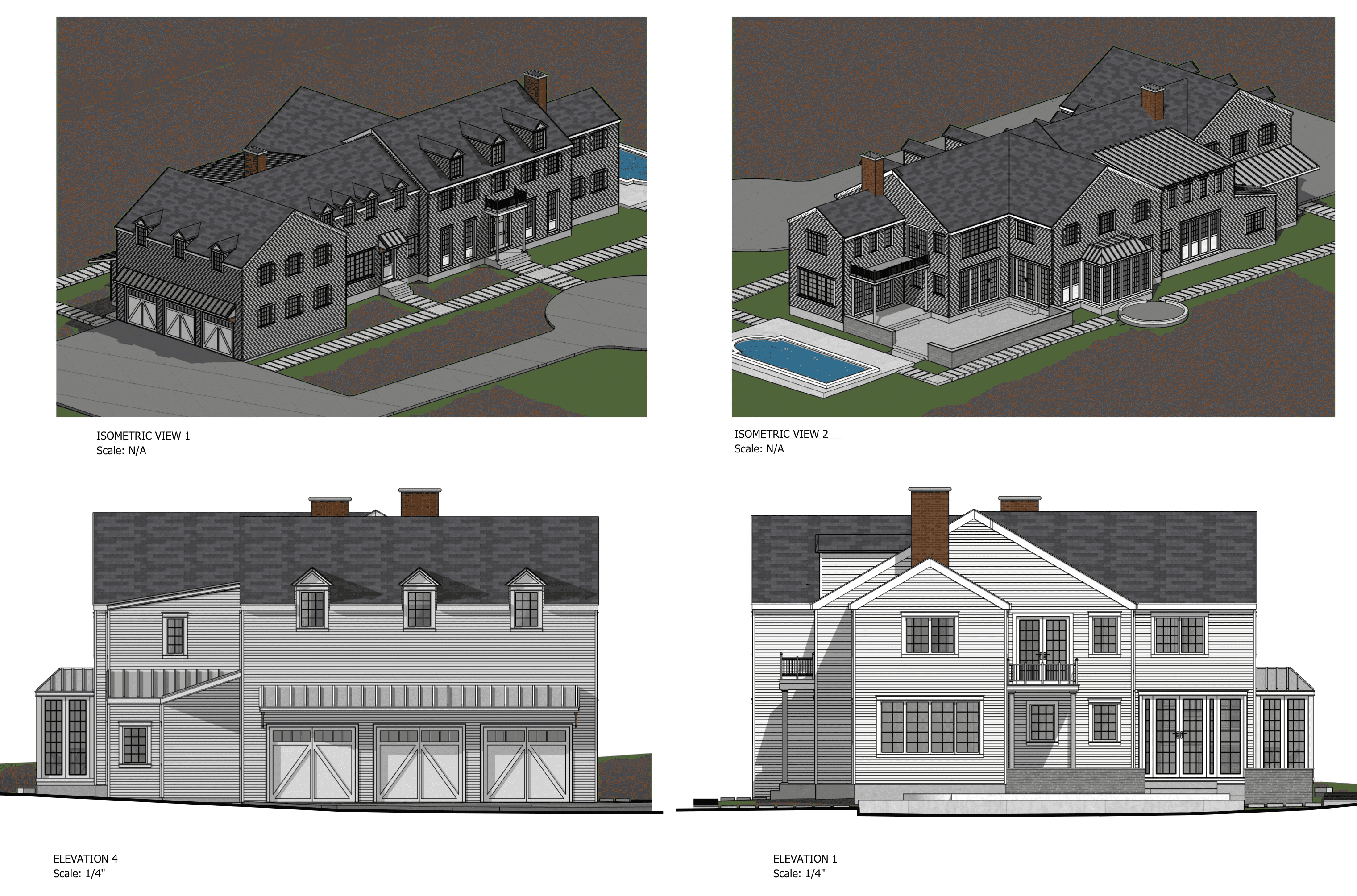
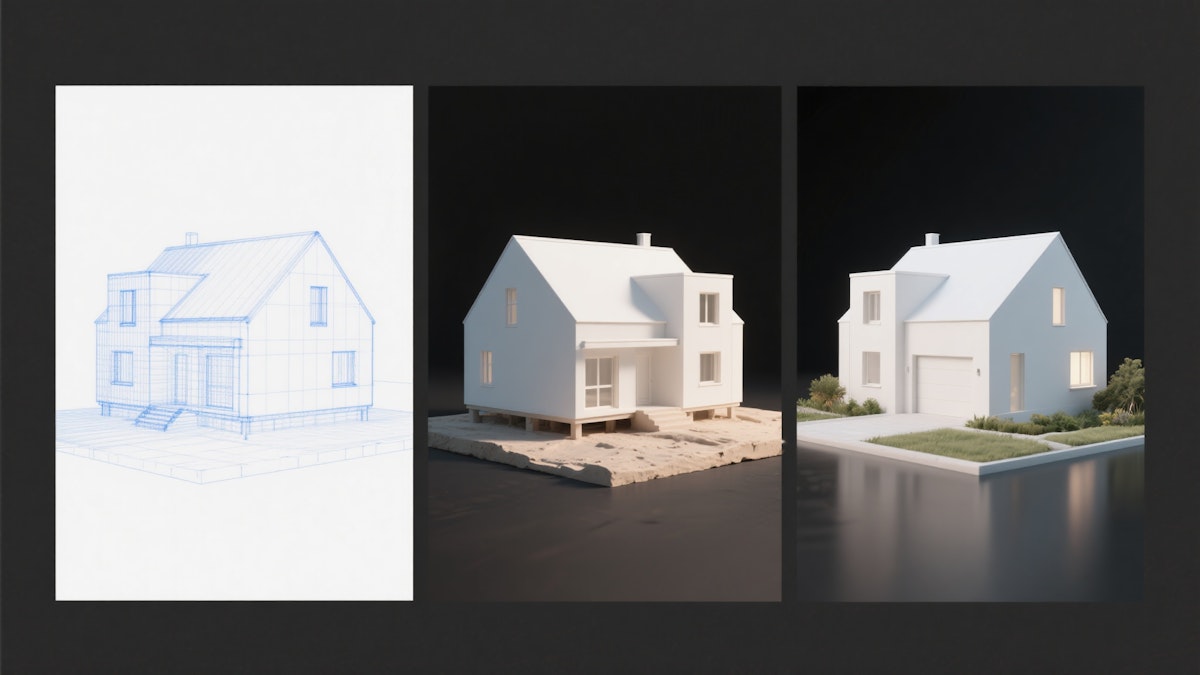
Another key benefit is faster iteration and visualization. With 3D models, you can quickly test materials, lighting, and layouts and immediately see the impact. This is especially powerful when paired with rendering or walkthroughs, which help clients make decisions faster because they can “experience” the space rather than imagine it.
From a business standpoint, 3D modeling also improves client confidence and sales potential. High-quality visuals, animations, and even VR experiences make presentations more compelling. Clients are more likely to approve designs—and do so faster—when they clearly understand what they’re getting.
In short, 3D modeling shifts the process from “interpreting drawings” to “experiencing the design,” which saves time, reduces errors, and makes your work more valuable to clients.
Share This
Author info
Author